

Summary
Revisiting a keynote at The Ohio State University that explored how an accessibility mindset connects to student belonging, retention, and lasting change.
Some trips leave you thinking long after you’re home.
My visit to The Ohio State University was one of those moments. I went to share a keynote called The Accessibility Mindset: Building Pathways to Success for All Students but I left thinking just as much about what I learned as what I shared.
When Data Meets Real Experience
During the session, we talked about what an accessibility mindset really looks like on campus. I always ground these conversations in data, and this time we looked at the many of the findings from the National Disability Center.
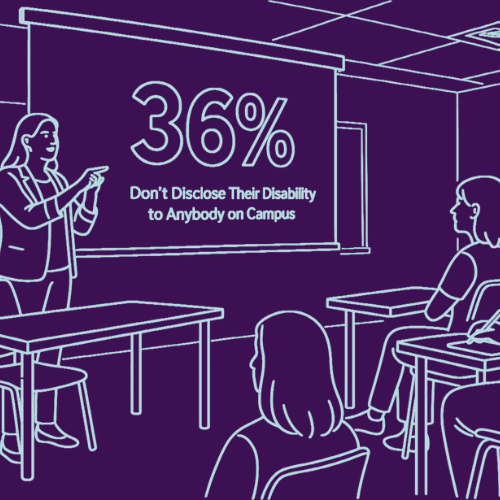
For example, many students never disclose their disability, yet they’re navigating systems that influence whether they persist or leave.
Seeing students nod their heads vehemently in recognition of these barriers was such a moving part of this session. When then dug a level deeper and asked:
If accessibility were built into those systems from the start, how many more students might feel supported enough to stay?
We connected these insights to the everyday reality of teaching and student success. Faculty and administrators play a huge role in whether students feel they belong, and that sense of belonging directly affects retention.
Building Access Together
That’s the shift.
Accessibility is not something we do for students. It’s something we build with them.
I also shared key resources from the National Disability Center for Student Success that help leaders take action:
This signature report has recommendations on how to identify institutional gaps and guide improvements.
- Learning Hub Best Practices
Tailored resources with concrete strategies for what students want faculty and staff to know about access and communication. - The Mental Health Campus Spotlight: De-Siloing Mental Health
Case study showing how mental health and accessibility intersect and why campuses must consider both in planning student support.
Don’t stop believing…
One of my favorite parts of these visits is what happens next. I often wonder how to keep the conversation going after the keynote ends, but Ohio State made it easy by wanting to continue the work together. This exchange directly inspired the Center’s Campus Accessibility Spotlight on Ohio State, which examines how advancing accessibility strengthens retention and persistence for all students.
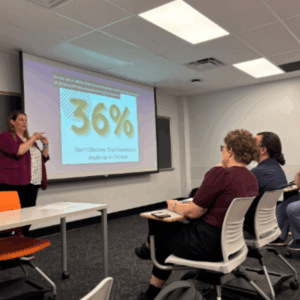
Dr. Stephanie Cawthon gives a classroom presentation showing a slide that reads “36% Don’t Disclose Their Disability to Anybody on Campus.” Several people sit at desks listening.