
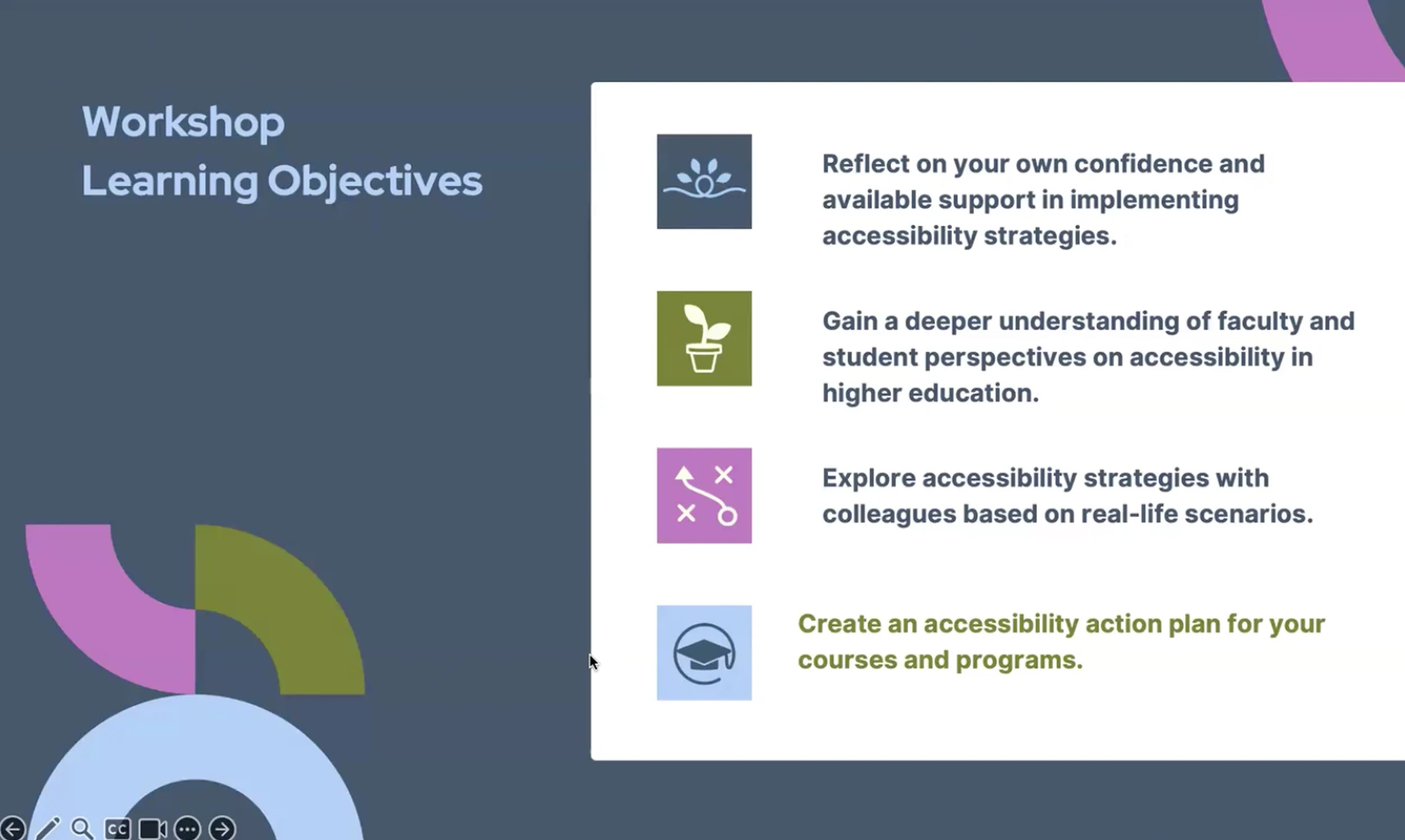
In Spokane, I had the opportunity to speak with a community that is actively asking what it means to move accessibility forward in real ways.
“Introspective and thoughtful in encouraging people to understand accessibility biases and how to make changes”
-Spokane Participant
What stood out to me immediately was the openness in the room. People were not just there to listen. They were there to reflect, to question, and to think about how their own roles connect to a larger system.
My keynote focused on a simple but often overlooked idea:
Accessibility is not built through policy alone. It is built through conversations.
Not surface-level conversations, but the kind that shift how we understand responsibility, collaboration, and impact.
We talked about what happens when accessibility is treated as someone else’s job. We explored how faculty, staff, and leaders each play a role in shaping the student experience. And we looked closely at the disconnect that can happen between intention and practice.
One of the most powerful moments came from audience reflection. Participants shared how often they encounter uncertainty. Not because they do not care, but because they are trying to navigate systems that are not always clear.
That uncertainty is important. It tells us where support is needed.
It also tells us where opportunity exists.
Accessibility becomes stronger when we create space for shared understanding. When teams are aligned. When expectations are clear. And when people feel equipped to act.
In Spokane, I saw what it looks like when a community is ready to do that work.
My takeaway from this experience is one I return to often: progress happens when we move from isolated efforts to collective responsibility.
That shift changes everything.
If your team is ready to have those conversations and turn them into action, I would be glad to support that work.